
What Exactly Is an Undercut Hairstyles?
Picture this: you’re walking down the street and spot a guy with hair that just looks right. Sharp on the sides, full of life on top. That’s the undercut effect.
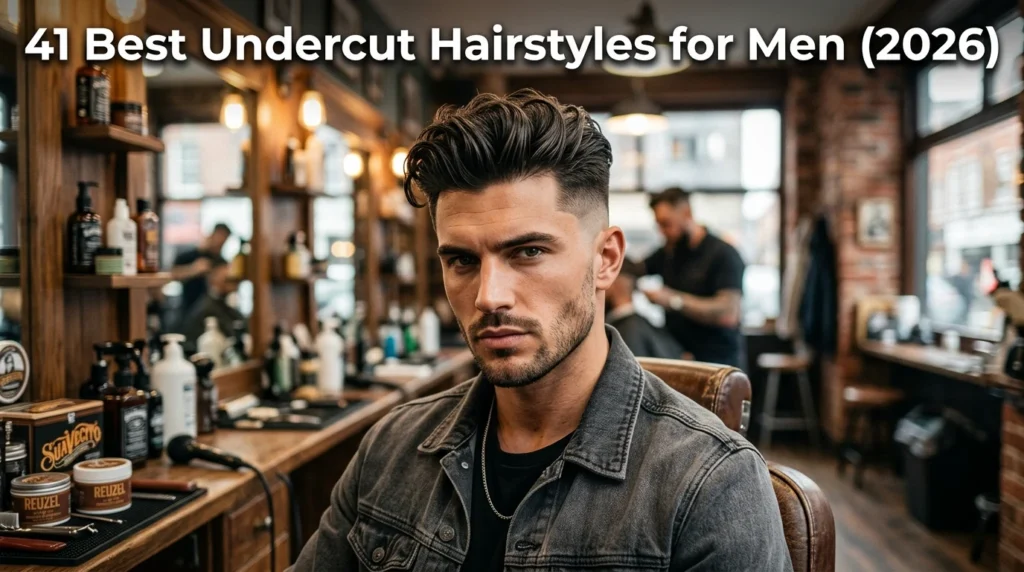
At its simplest, an undercut is a hairstyle where the sides and back are cut very short or even buzzed down, while the hair on top stays noticeably longer. What makes it special is the disconnect—there’s no gradual blending between the long top and short sides. Instead, there’s a clear line where one length stops and the other begins. This creates a bold, high-contrast look that instantly draws attention upward .
The undercut isn’t some passing TikTok trend. It first became fashionable way back in the 1910s and stayed popular through the 1940s. Working-class guys loved it because it was practical and looked sharp. You might recognize it from shows like Peaky Blinders—those Birmingham gangsters rocked the original undercut because long hair was a liability in a street fight . After a quieter period, the style exploded back onto the scene in the 2010s and has been a barbershop staple ever since.
Today’s undercut is incredibly versatile. You can slick it back for a boardroom meeting, mess it up for brunch with friends, or let those curls pop for date night. It works across different hair types and face shapes, which is why it’s remained a go-to choice for guys who want to look put-together without trying too hard.
Undercut vs. Fade vs. Taper: Know the Difference Before You Sit in the Chair
Here’s a scenario every guy dreads: you ask your barber for an “undercut,” point vaguely at your head, and walk out with something that looks nothing like what you imagined. Sound familiar? The confusion usually comes down to three terms that get tossed around like they’re the same thing: undercut, fade, and taper. They’re not.
Understanding these differences is the single most important thing you can do before your next haircut. Let’s break it down simply.
The Undercut: Bold and Unapologetic
An undercut features very short sides and back with a longer top, and the key word here is disconnect. There’s no smooth transition between the lengths—just a clear, visible line where short becomes long . This stark contrast makes the undercut stand out. It says you’re confident and want people to notice. The style works especially well for oval and square face shapes and guys with thicker hair .
The Fade: Clean, Modern, Seamless
A fade is all about the blend. The hair gradually shortens from top to bottom, creating a smooth gradient with no visible lines between lengths . Barbers use different clipper guards to achieve this effect. Fades come in several varieties: a low fade starts just above the ear for a subtle look, a mid fade begins around the temples, and a high fade starts near the crown for maximum contrast . There’s also the skin fade (or bald fade), where the hair tapers down to bare skin .
The Taper: Classic and Professional
Think of a taper as the fade’s more conservative cousin. It focuses mainly on cleaning up the sideburns and neckline rather than transforming the entire side of your head . The transition is subtle and natural, maintaining more length on the sides than a fade would. This is the go-to for guys who want to look sharp but work in more traditional office environments .
Here’s a quick comparison to keep it all straight:
| Undercut | Fade | Taper | |
| Transition | Sharp disconnect | Smooth gradient | Subtle cleanup |
| Sides | Uniformly short/shaved | Gradually shortens downward | Short only at edges |
| Contrast | High and bold | Medium to high | Low and natural |
| Vibe | Edgy, statement-making | Modern, clean | Classic, professional |
| Maintenance | Every 2-3 weeks | Every 2-4 weeks | Every 3-4 weeks |
The Hybrid Reality: Here’s where it gets interesting—you can combine these. An undercut fade features the disconnected top of an undercut with a faded blend on the sides. This is probably what most guys picture when they ask for a “modern undercut.”
41 Trending Undercut Hairstyles (Curated by Lifestyle)
Not all undercuts are created equal. I’ve grouped these 41 styles into four lifestyle categories so you can find the one that actually fits your life—not just some model’s portfolio.
The Modern High-Contrast Cuts (12 Styles)
For the guy who wants a sharp, intentional look that stands out.
1.Disconnected Undercut
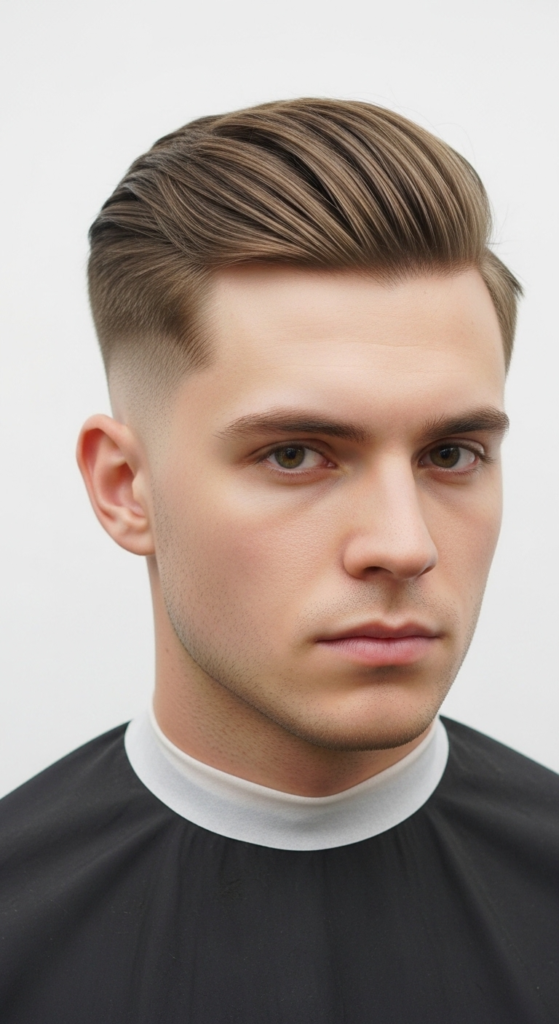
This is the purest form of the style. There’s a hard weight line where the long top meets the buzzed sides—no blending whatsoever . It’s bold and requires confidence to pull off. Best for thick, straight hair. Barber script: “Keep the weight line hard. No blending.”
2. Hard Part Undercut
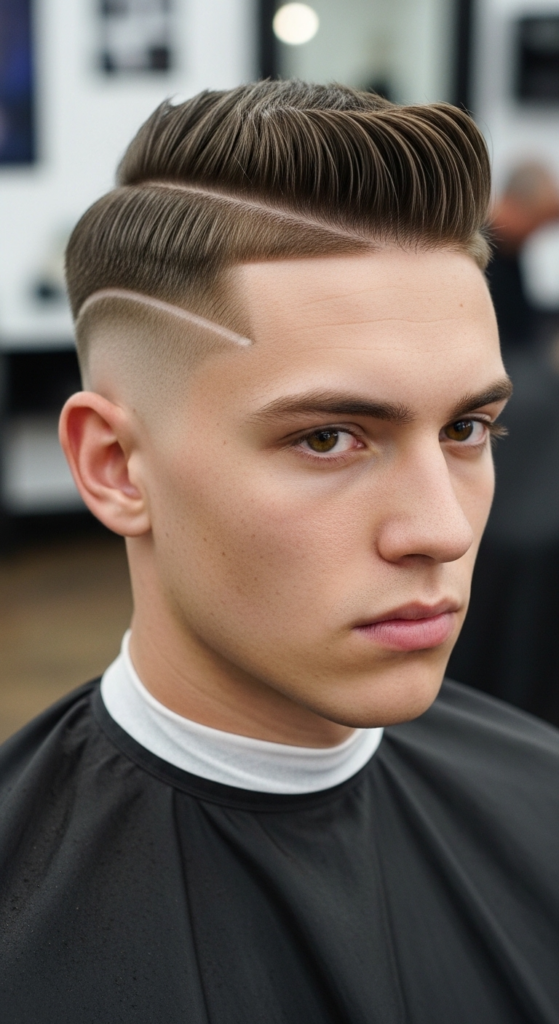
A shaved line (sometimes called a razor part) cuts through the fade, creating a dramatic separation that defines where your hair parts. This small detail elevates the entire cut and works well with side parts and comb overs.
3. Undercut Fade
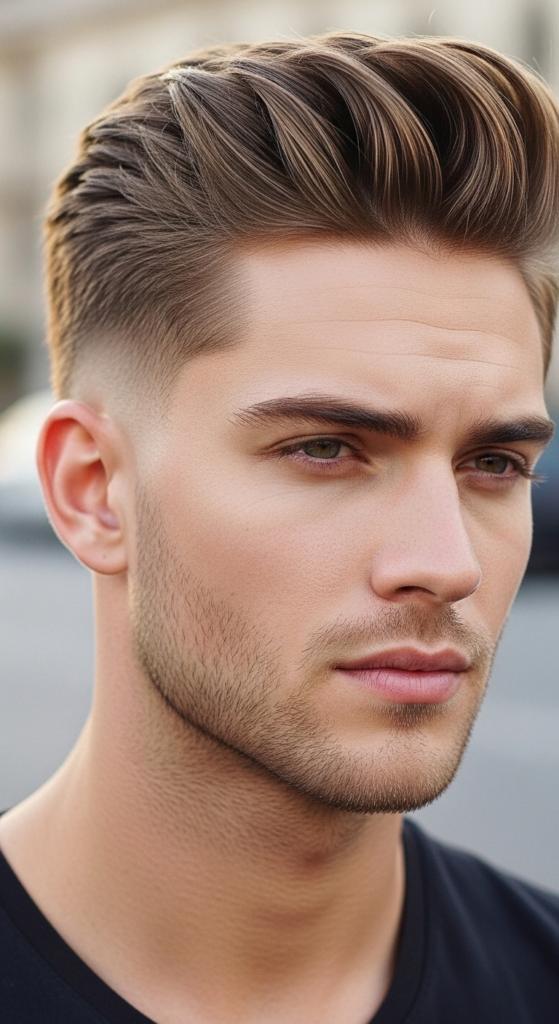
The best of both worlds. You get the volume and styling options of an undercut with the clean, modern finish of a fade on the sides. The fade can be low, mid, or high depending on how bold you want to go.
4. High Fade Undercut
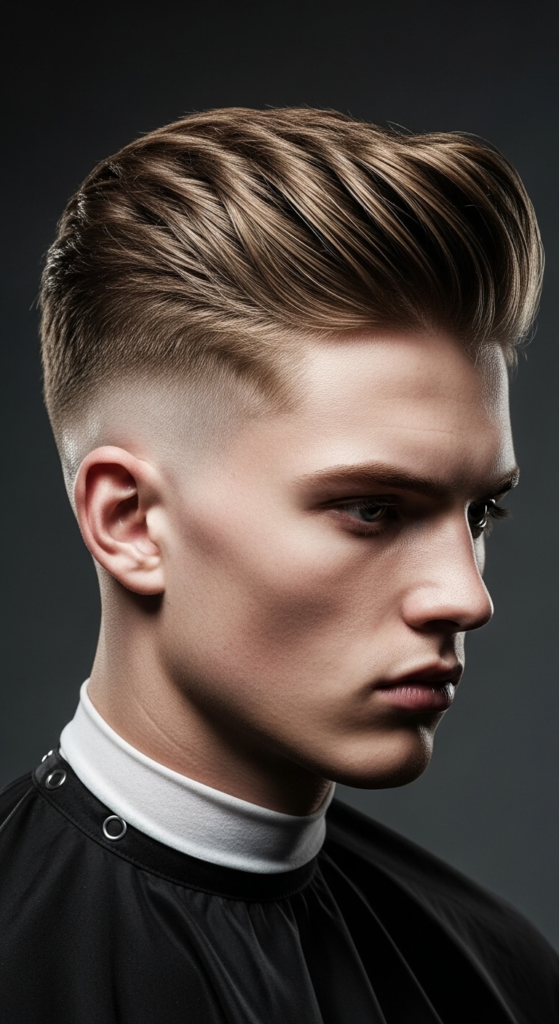
The fade begins high on the temples—near the crown—creating maximum contrast between the longer top and nearly bare sides . This is an attention-grabbing cut that looks especially sharp with textured tops and defined curls.
5. Undercut Two Block
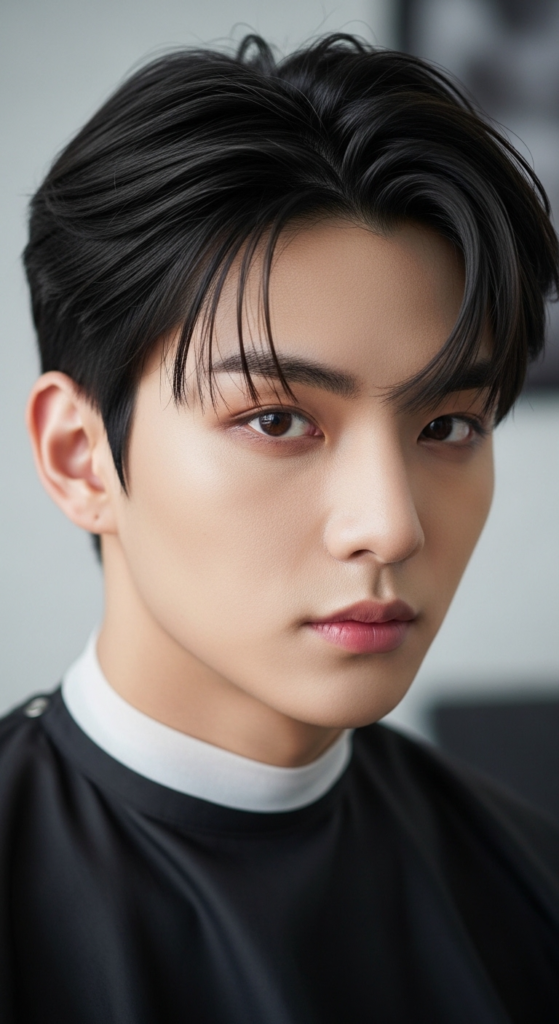
This K-pop inspired cut features a curtain-style top that falls naturally around the head, with clean, uniform sides. The front sits soft and smooth rather than styled aggressively upward. It’s a calmer, more approachable take on the undercut.
6. Undercut Drop Fade
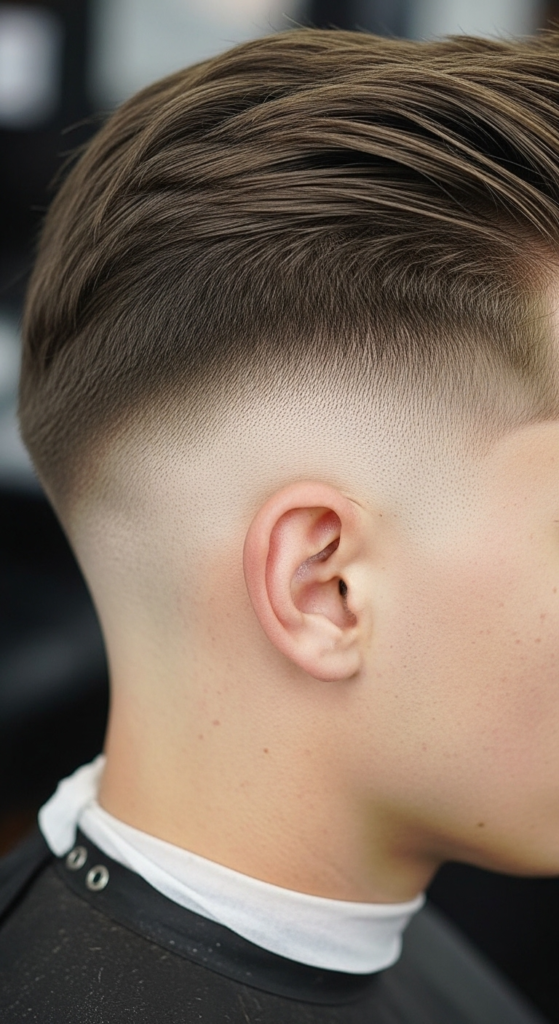
Instead of a straight line around the head, the fade “drops” behind the ear, curving down toward the neckline. This creates a unique silhouette that looks especially good from the side profile.
7. Burst Fade Undercut
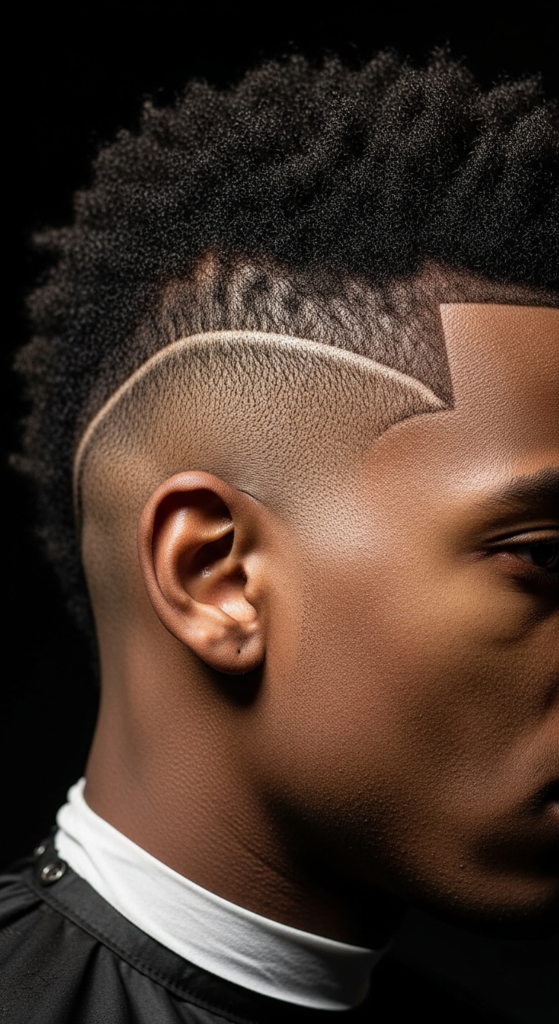
The fade arcs in a semi-circle around the ear, creating a “burst” effect. This pairs beautifully with faux hawks and mohawk-inspired styles, adding shape and dimension.
8. Undercut with Design
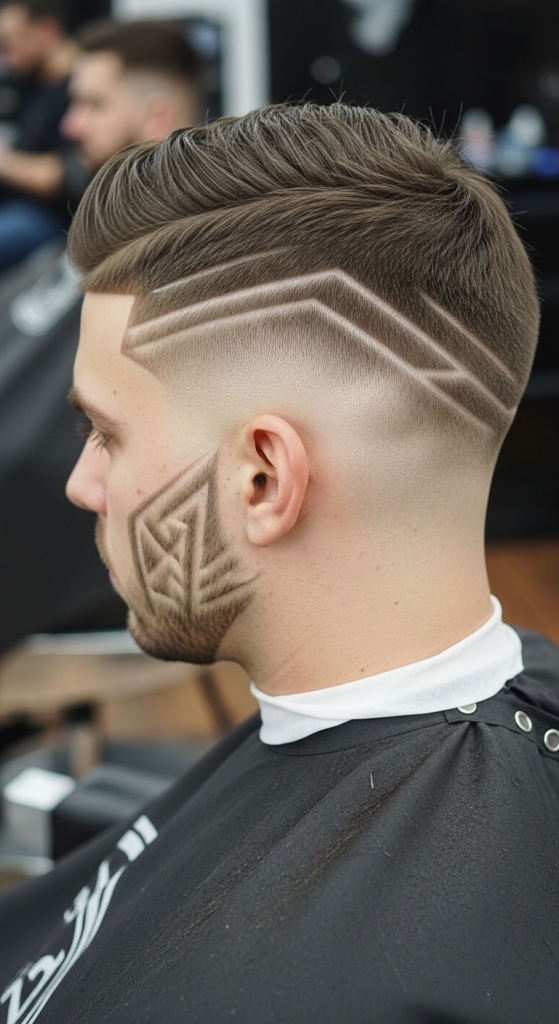
Take your undercut up a notch with geometric lines, tribal patterns, or even a simple zigzag shaved into the faded section. This is pure personal expression and shows you’re not afraid to experiment.
9. Undercut Mohawk
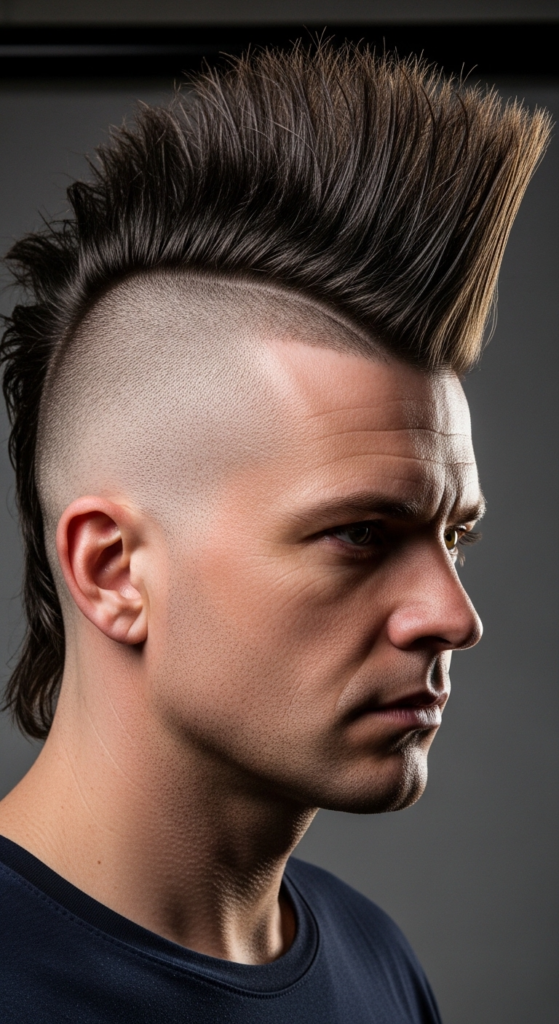
The sides are shaved completely (or faded very high), leaving a strip of longer hair running from forehead to crown. Style the center strip upward with strong hold product for maximum attitude.
10. Undercut Faux Hawk
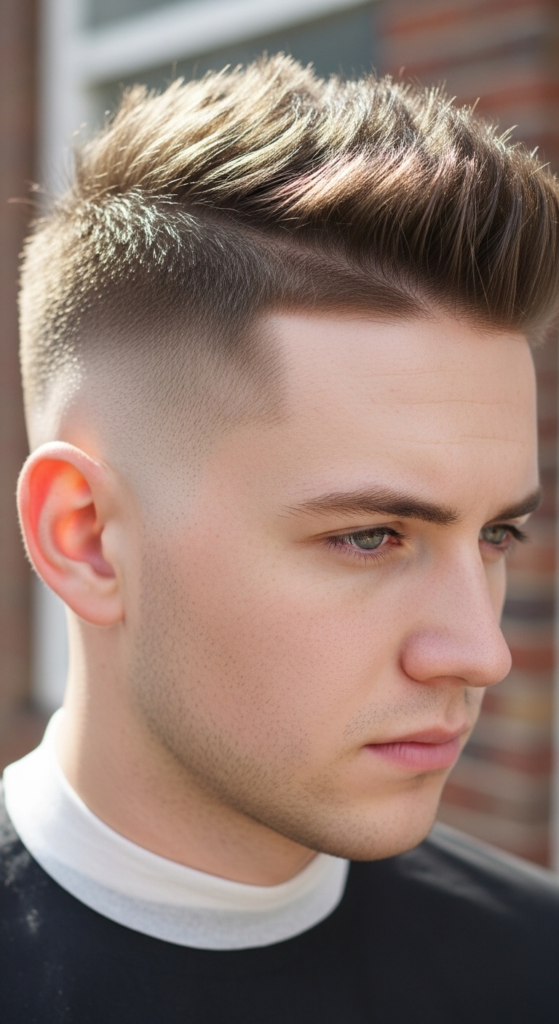
A softer, more wearable version of the mohawk. The top tapers toward the crown rather than maintaining a uniform strip, making it easier to style and more acceptable in casual workplaces.
11. Undercut Mullet
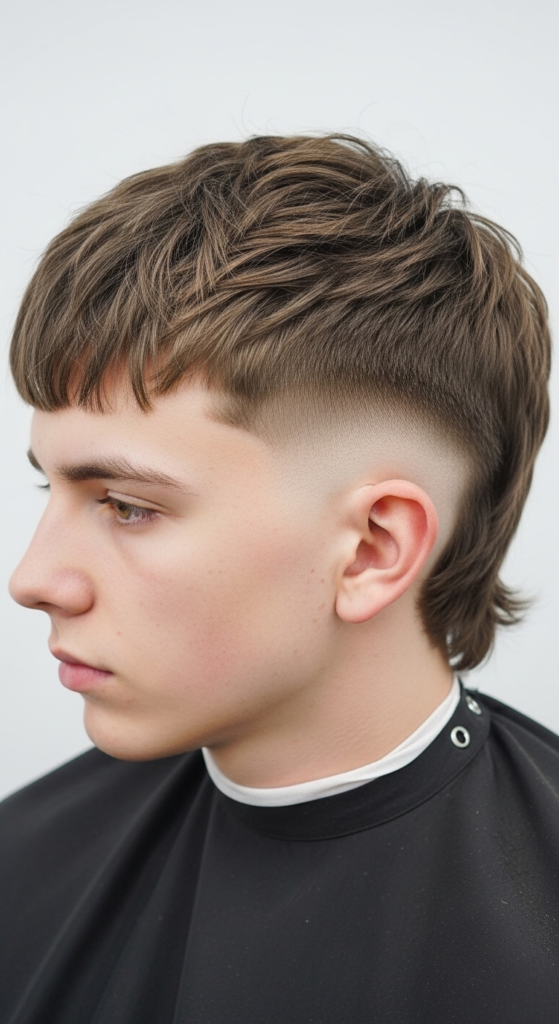
Business in the front, party in the back. The sides are faded or undercut, the top stays textured and manageable, and the back is left longer. It’s having a major moment right now, especially among younger guys.
12. Undercut with Braids
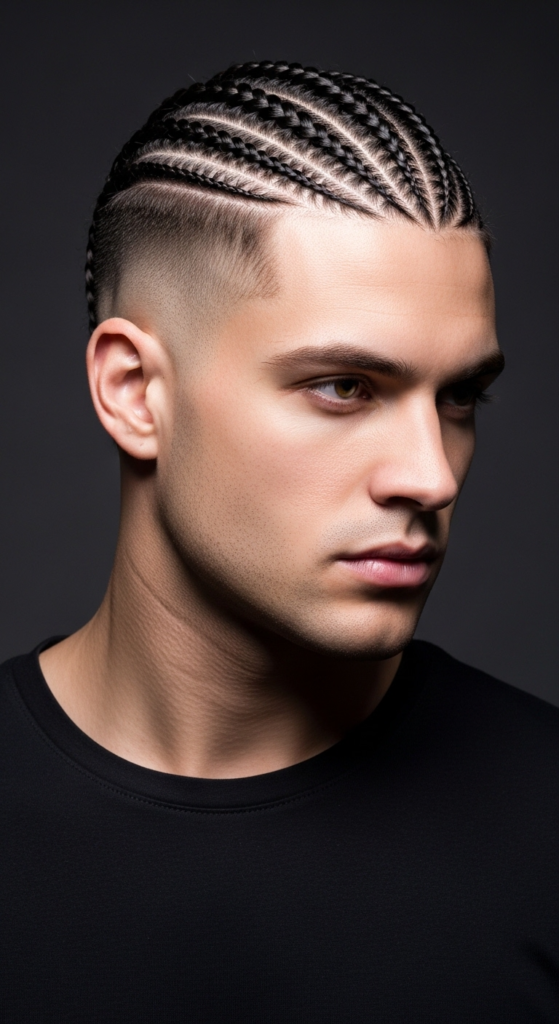
The sides are buzzed clean while the longer top is cornrowed or box-braided. This style showcases both precision barbering and cultural hair artistry in one bold package.
The Textured & Effortless Cuts (12 Styles)
For the guy who wants to look like he didn’t try—even though he definitely did.
13. Textured Undercut
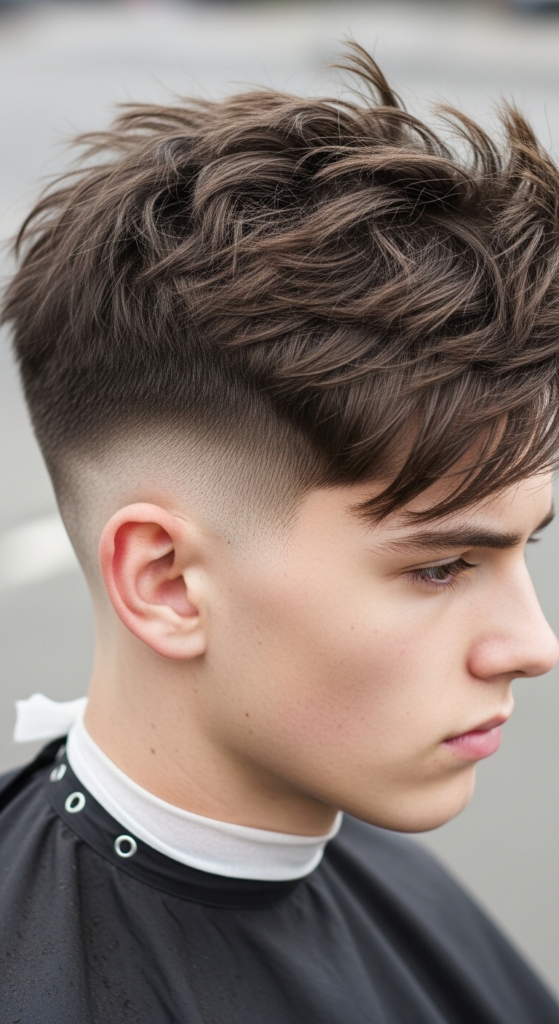
This is the Swiss Army knife of undercuts. Choppy, piece-y layers on top create movement and dimension. The key is the right product—a matte clay or paste that adds separation without shine.
14. Messy Undercut
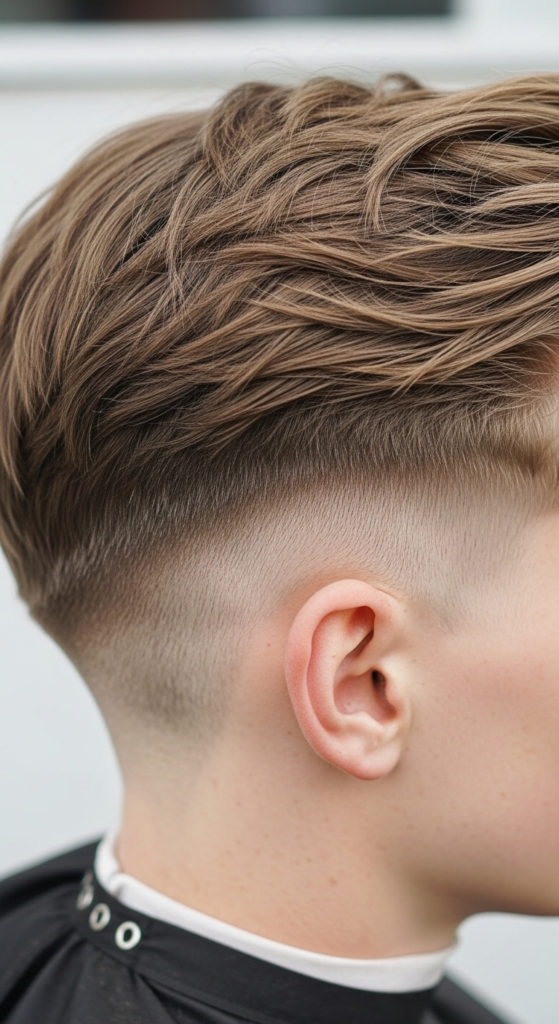
The name says it all. Finger-comb your hair forward and slightly up, let pieces fall where they may, and embrace the controlled chaos. This style screams “I woke up like this” (even if it took 10 minutes and three products).
15. Curly Undercut
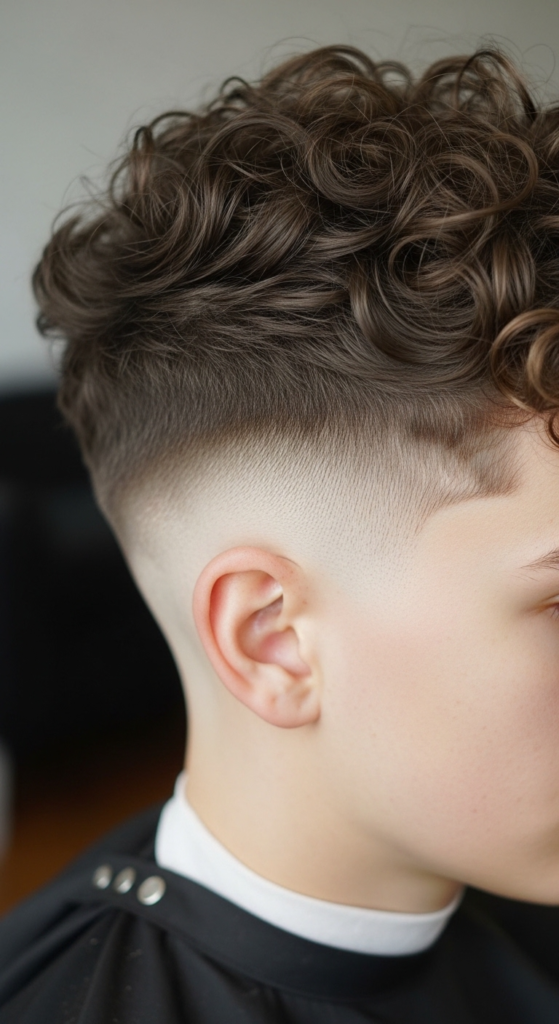
If you’ve got natural curls, an undercut is your best friend. By removing bulk from the sides, your curls on top become the star of the show. Apply curl-defining cream to damp hair and let your texture shine .
16. Undercut French Crop
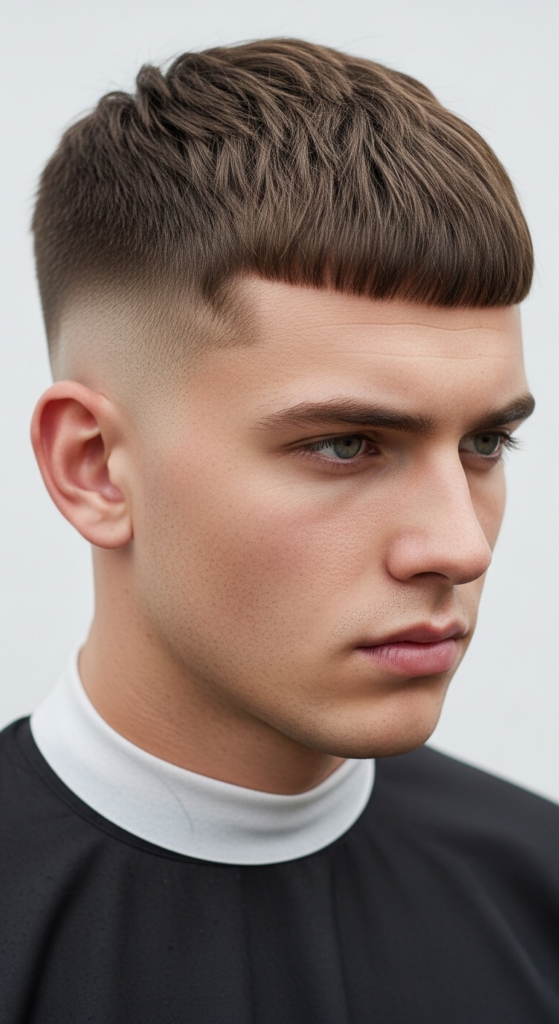
Short, clean sides meet a textured top with a blunt fringe sitting straight across the forehead. It’s neat, easy to maintain, and works brilliantly for guys with larger foreheads or longer face shapes.
17. Undercut Textured Fringe
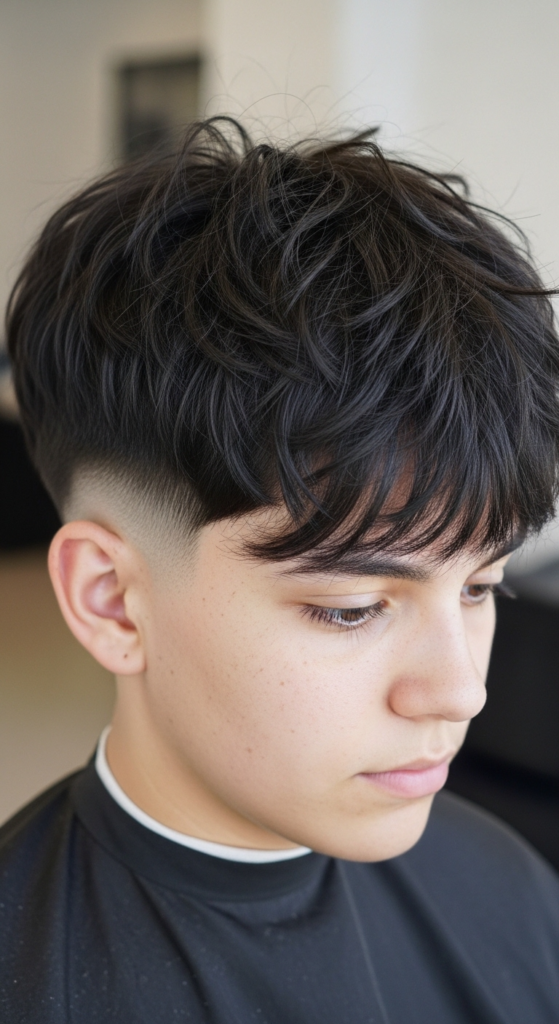
This is the foundation of the viral “broccoli cut” that’s taken over TikTok. The fringe falls forward with lots of piece-y texture. Blow-dry forward while finger-styling, then finish with texture powder for that signature fluffy look.
18. Undercut Fringe
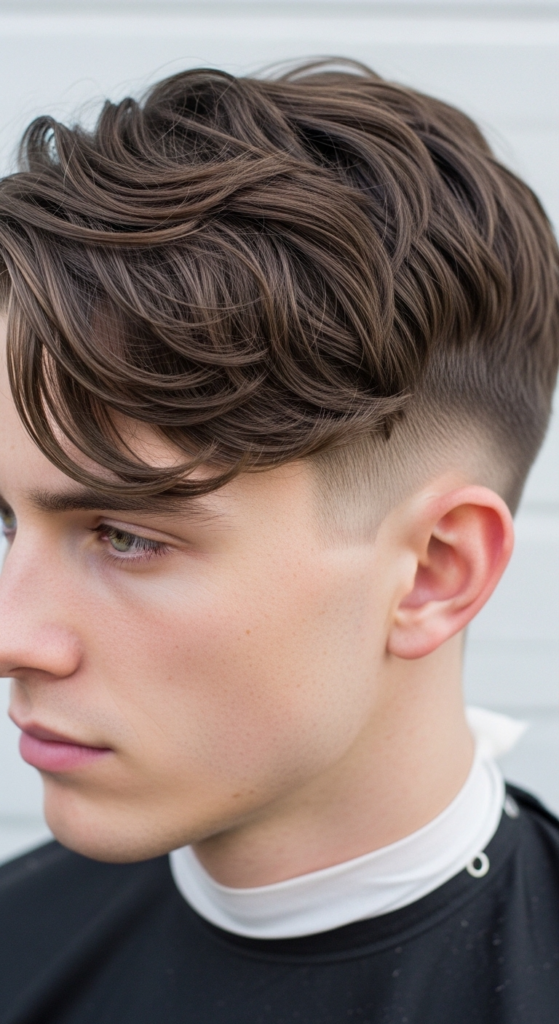
A softer take than the textured version. The fringe is longer and sweeps gently to one side, creating movement without looking heavily styled. Works beautifully with wavy hair.
19. Layered Undercut
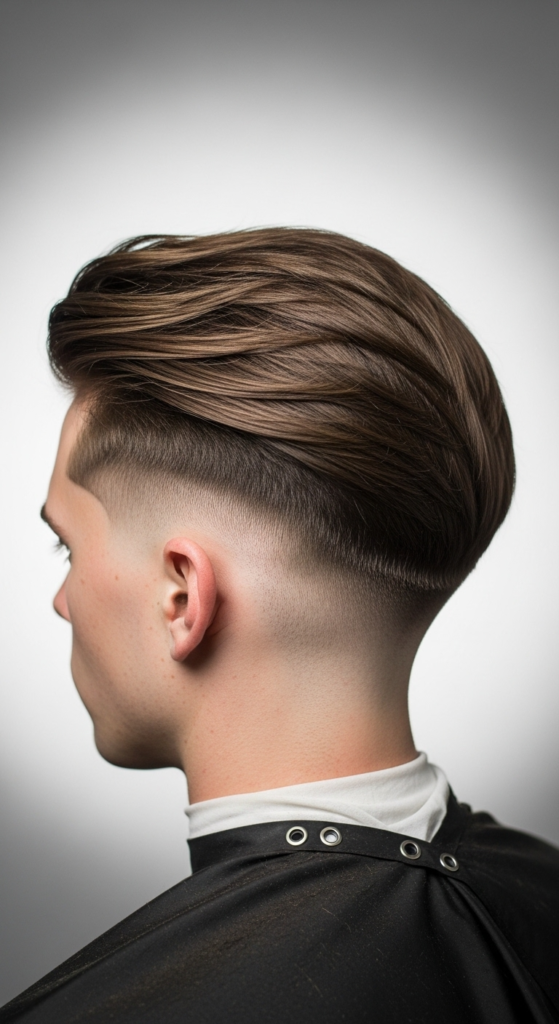
Long layers cut into the top section add natural flow and movement. This is perfect for guys with longer hair on top who want options—you can brush it back, sweep it sideways, or let it fall naturally.
20. Wavy Hair Undercut
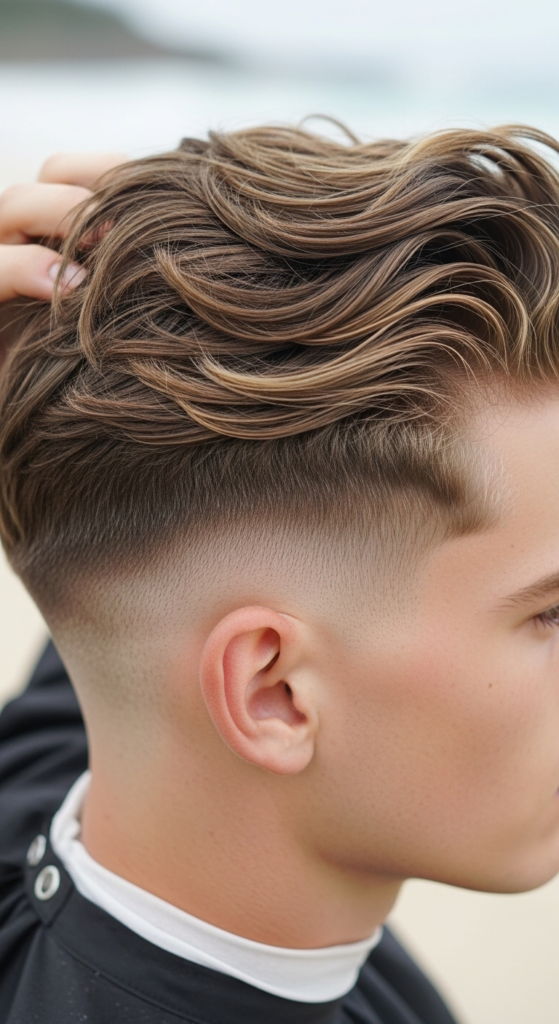
Don’t fight your waves—showcase them. Keep enough length on top (at least 3-4 inches) to let that natural S-pattern do its thing. Sea salt spray is your best friend here for enhancing texture.
21. Perm Undercut
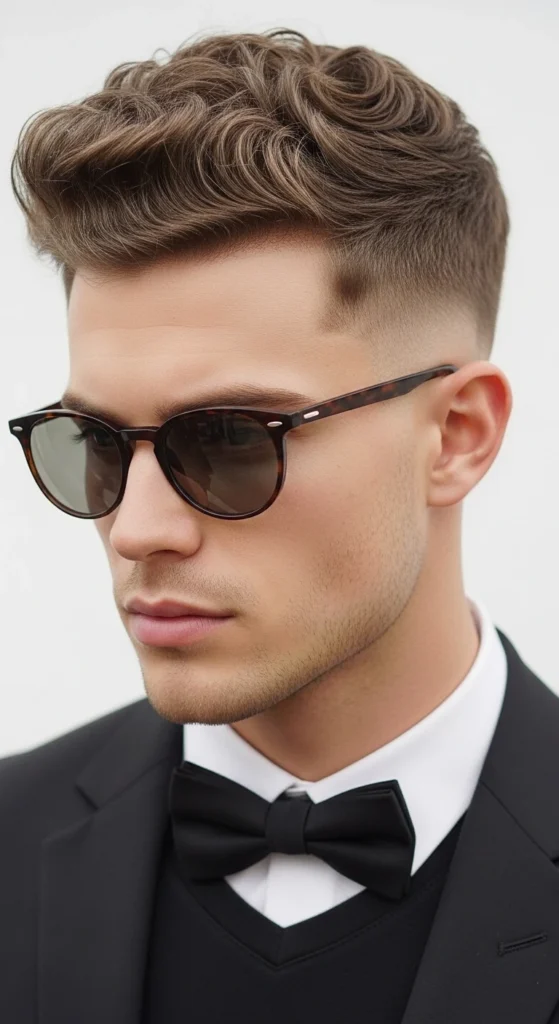
Straight hair but want curls? Get a perm just on the top section. The contrast between the tight curls above and clean sides below creates incredible visual interest and volume.
22. Undercut Quiff
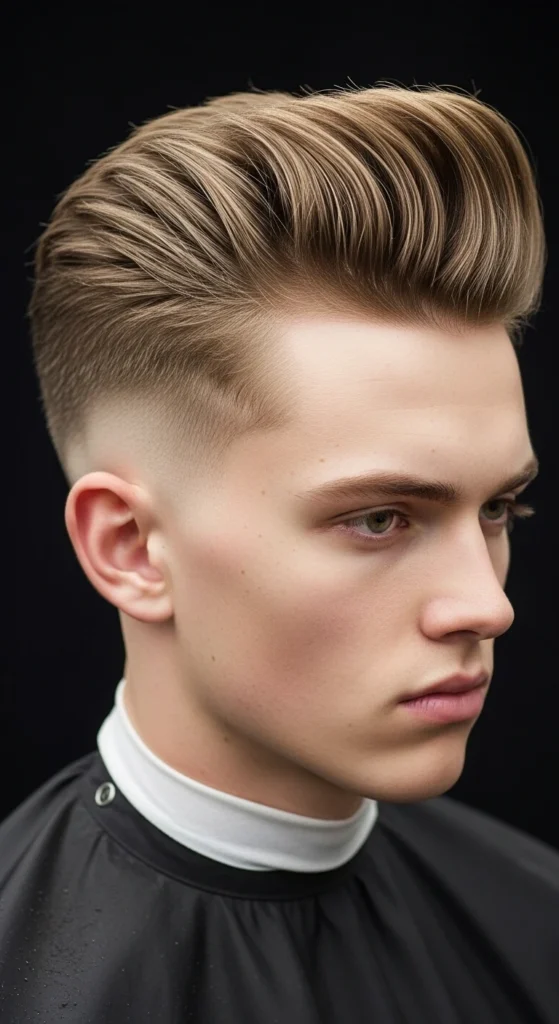
The front section is styled upward and backward, creating height at the front that gradually tapers toward the crown. It’s like a pompadour’s slightly more relaxed cousin. Blow-dry against your natural growth pattern for maximum lift.
23. Undercut Pompadour
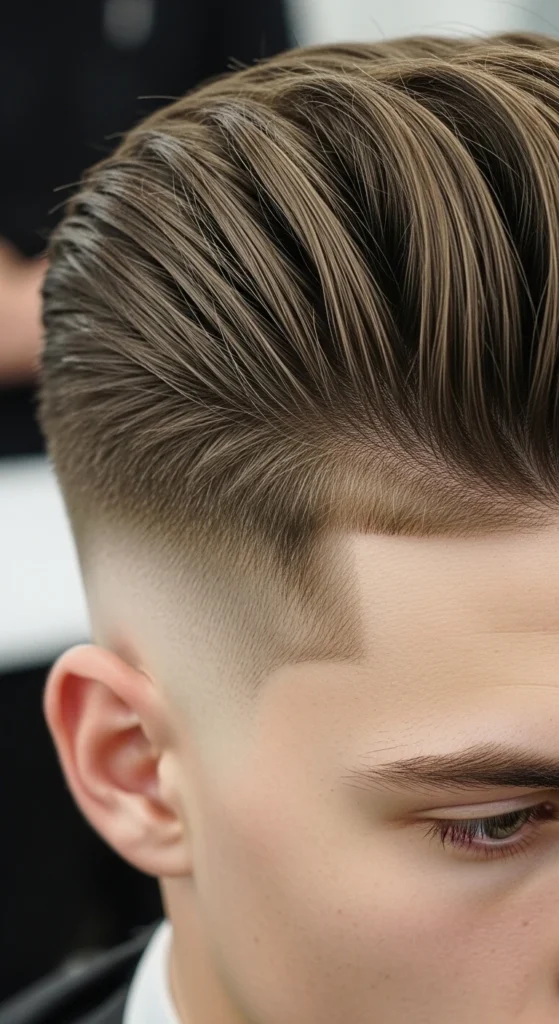
More volume and drama than a quiff. This classic greaser style gets a modern update with faded sides and a voluminous top styled high and back. Use a round brush while blow-drying to build that signature height.
24. Asian Undercut
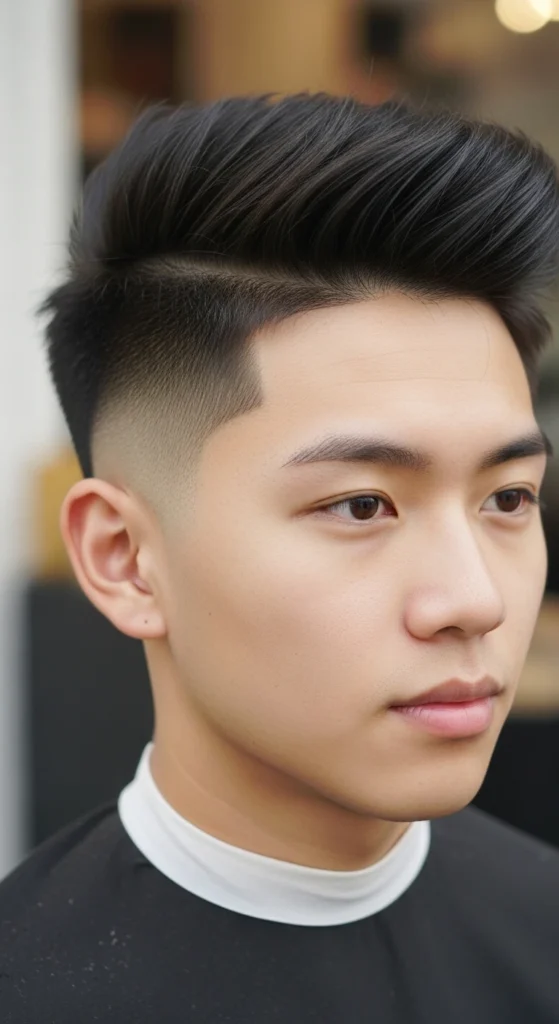
Characterized by thick, straight hair styled with a slight lift or sweep. The natural density and texture of Asian hair makes it ideal for undercuts—it holds shape well and creates dramatic contrast against faded sides.
The Classic & Professional Cuts (10 Styles)
For the guy who needs to look sharp in meetings but still wants style.
25. Classic Undercut
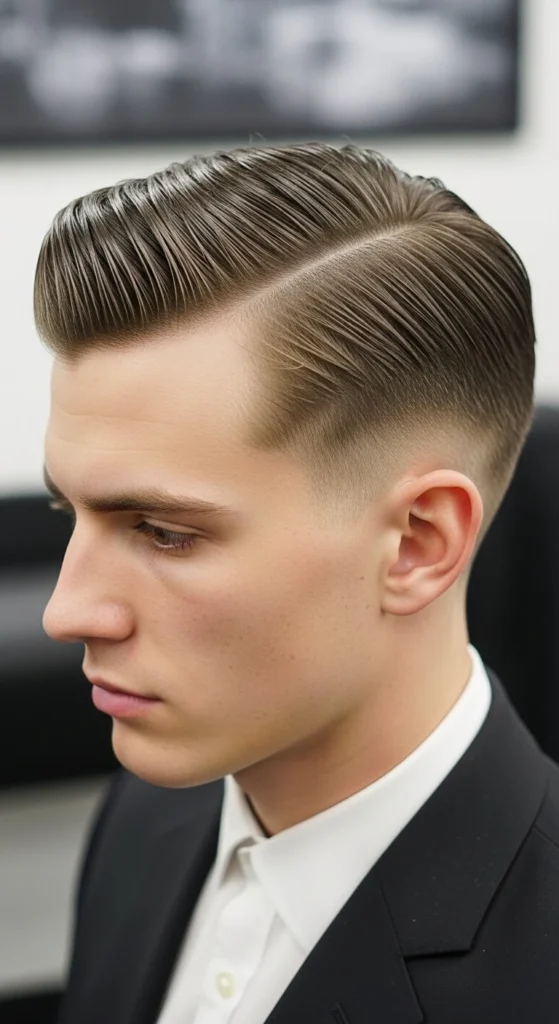
Slicked straight back with pomade for a clean, polished finish . This is the timeless version that never goes out of style. It projects confidence and professionalism while still feeling current.
26. Slick Back Undercut
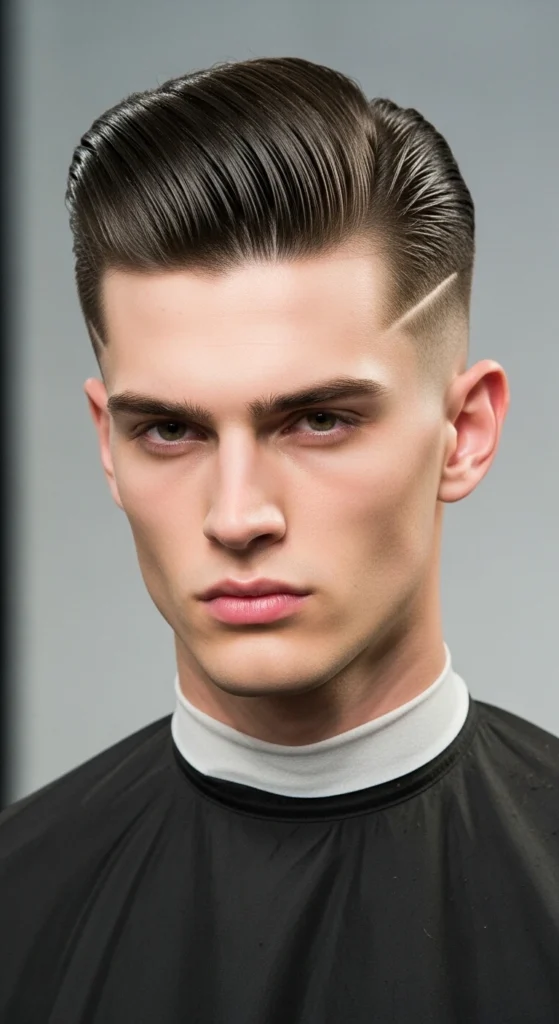
Similar to the classic but with a smoother, sleeker finish. The hair flows straight back without a defined part. Use a comb and blow-dryer together to train hair backward, then lock it in with medium-hold pomade.
27. Side Part Undercut
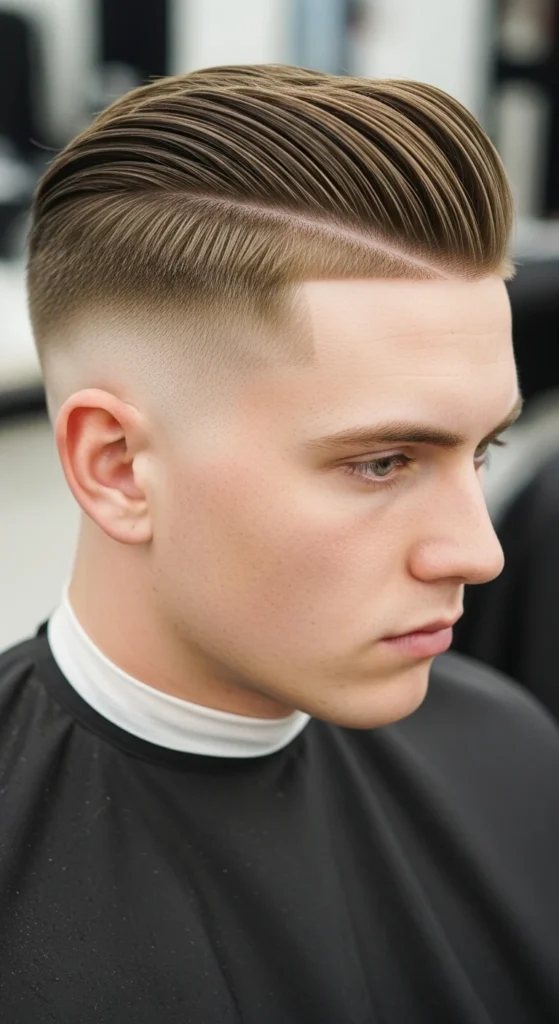
A defined part—whether natural or hard-shaved—separates the longer top from the fade. This structured look adds definition and balance to your face. Comb the top neatly to one side for a refined finish.
28. Undercut Comb Over
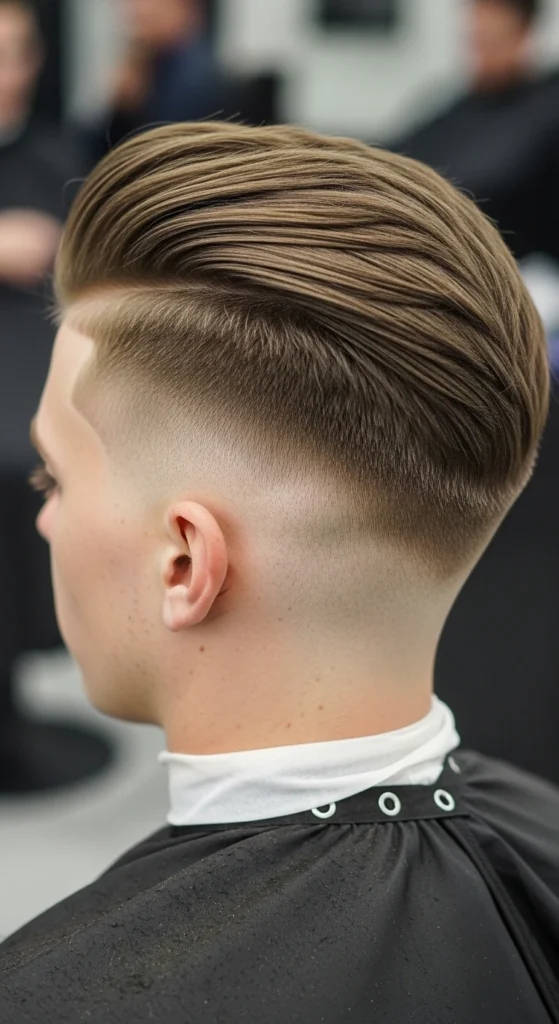
Swept diagonally across the head with volume on the opposite side. It’s polished enough for weddings and job interviews but stylish enough for everyday wear. Molding paste gives you control without stiffness.
29. Undercut Taper
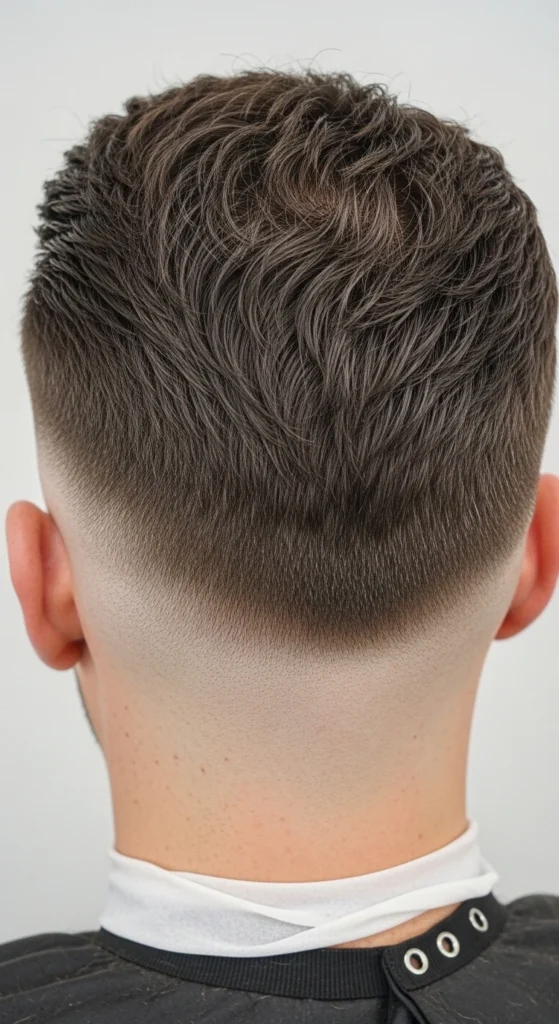
Instead of a harsh disconnect, the sides gradually blend at the neckline and temples . This is the most conservative version of the undercut and works well in traditional office environments. It’s also more forgiving as it grows out.
30. Medium Length Undercut
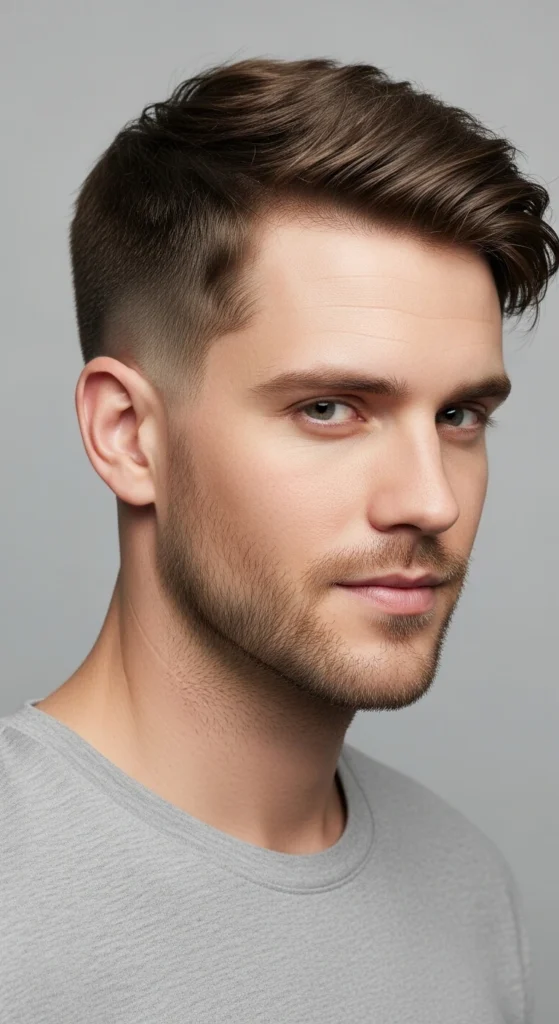
The top stays around 3-5 inches—long enough for versatility but short enough for easy morning styling. You can brush it back, tuck it behind your ears, or let it fall naturally depending on the occasion.
31. Short Undercut
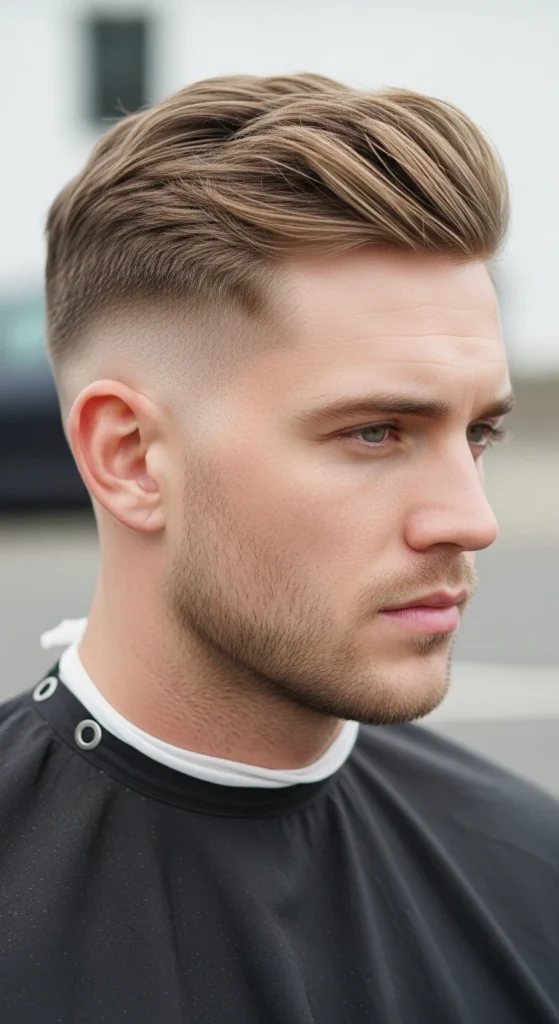
The top is kept at a uniform 1-2 inches, creating a crisp, clean silhouette. This low-maintenance option still delivers the undercut’s signature contrast without requiring daily styling sessions.
32. Undercut Buzz Cut
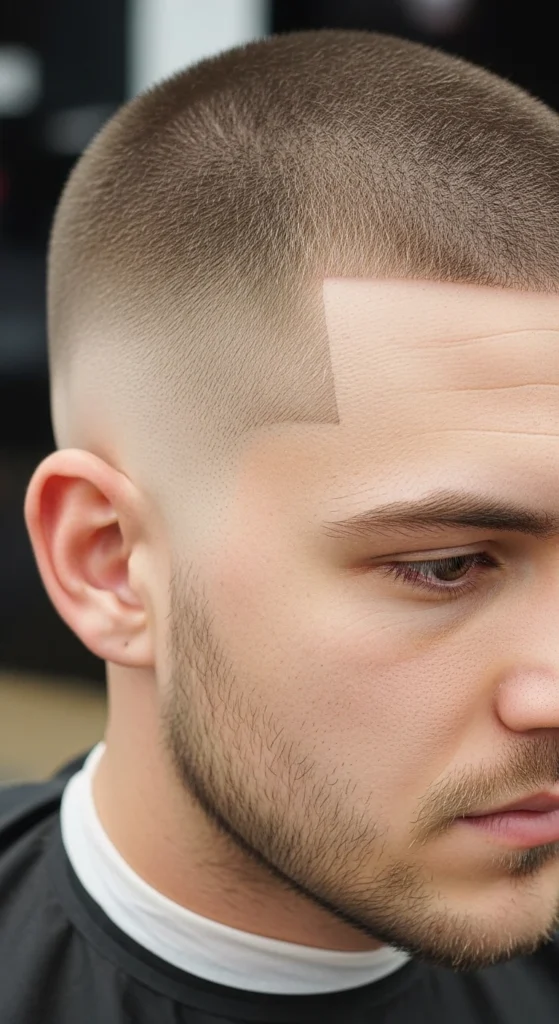
The top is buzzed with a longer guard (#3 or #4) while the sides go much shorter (#1 or skin). It’s incredibly easy to maintain and projects a masculine, no-nonsense vibe.
33. Undercut Crew Cut
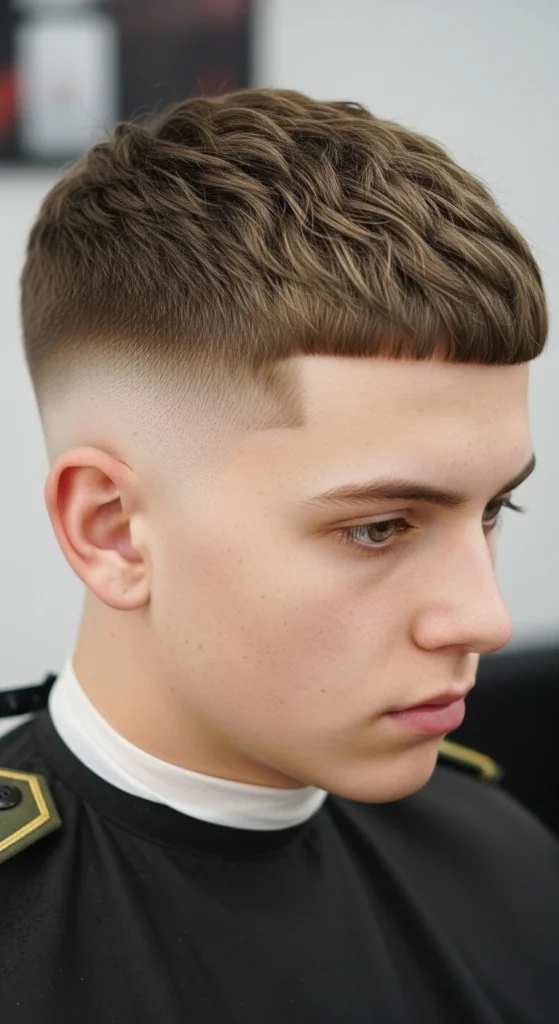
A military-inspired classic with a modern twist. The top is short and textured, while the contrast on the sides gives it more edge than a traditional crew cut.
34. Side Swept Undercut
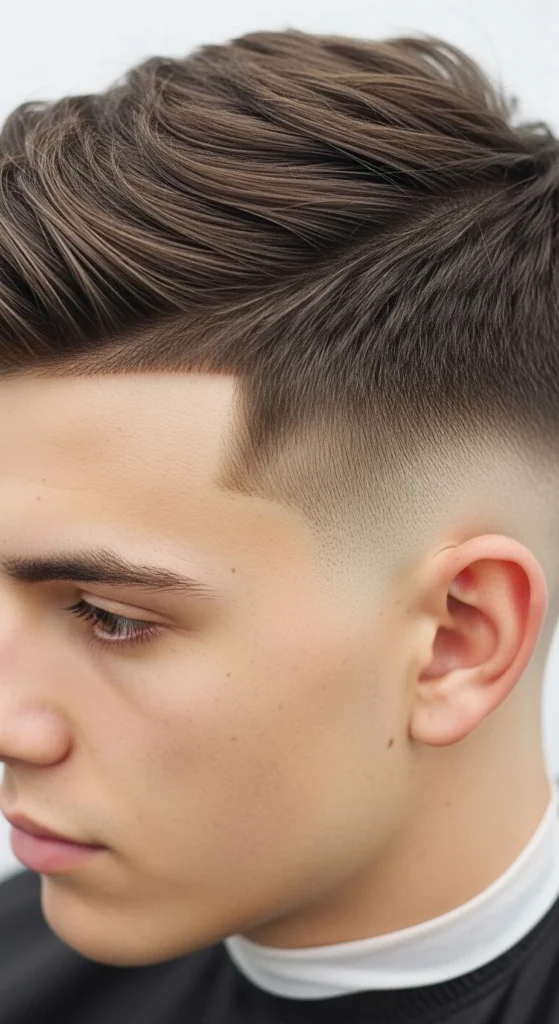
Volume is directed diagonally across the forehead rather than straight back or up. This softer approach frames your face differently and works especially well for square and heart-shaped faces.
The Bold & Statement Cuts (7 Styles)
For the guy who wants to turn heads and isn’t afraid to be different.
35. Long Hair Undercut
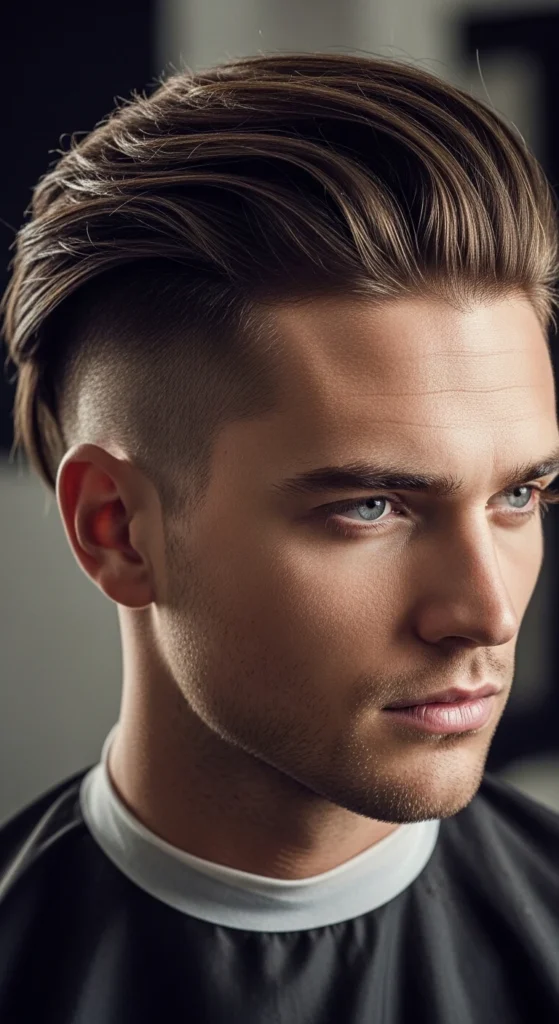
The top is grown past 6 inches, creating dramatic contrast with shaved sides. You can wear it loose and flowing, tie it back, or style it into a man bun. This cut requires patience during the grow-out phase but delivers maximum impact.
36. Man Bun Undercut
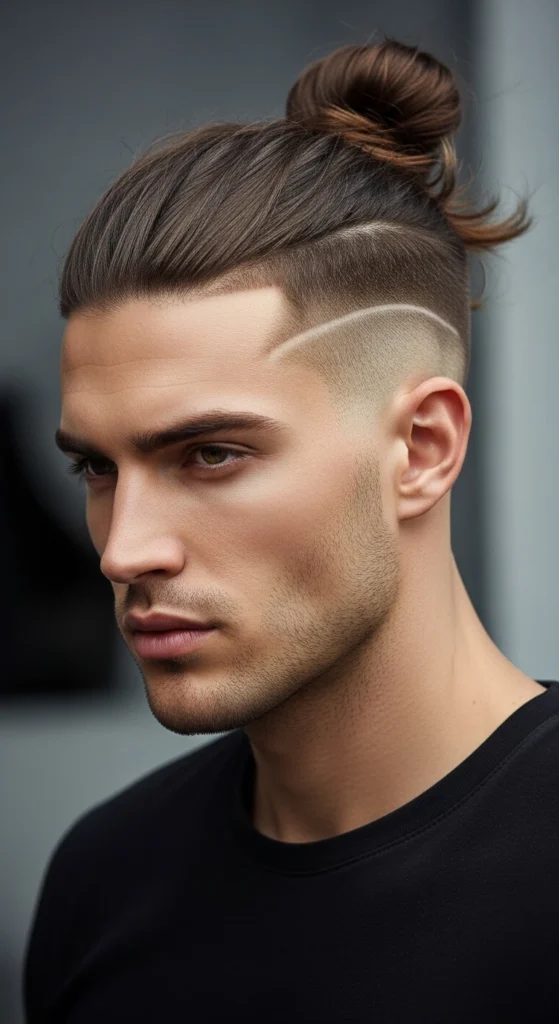
All the attitude of a man bun with the edge of an undercut. The shaved sides keep the look intentional and styled rather than just “growing your hair out.” Use a leave-in conditioner to keep long hair smooth and manageable.
37. Undercut with Beard
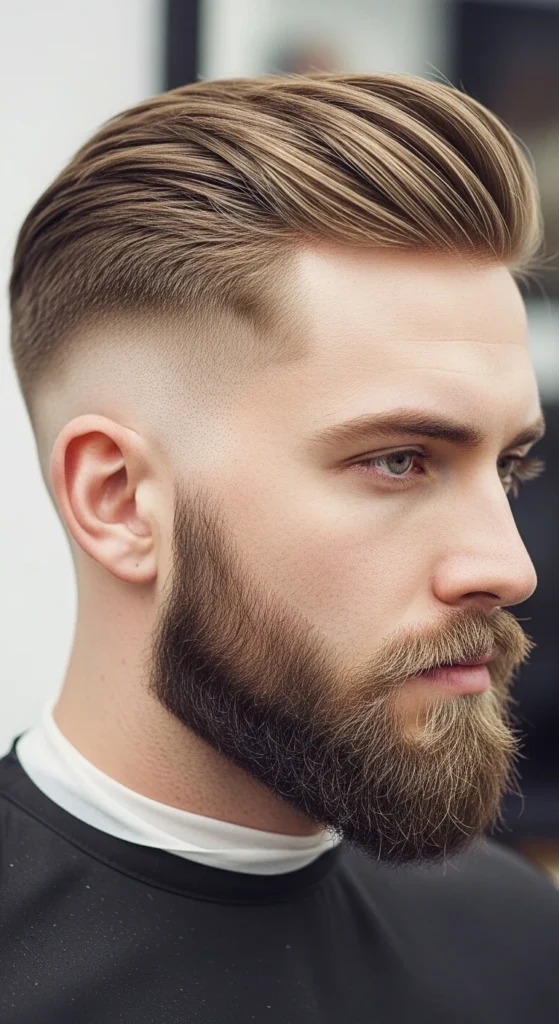
The sharp lines of an undercut pair perfectly with a well-groomed beard . The combination balances the face—the haircut adds height while the beard adds width and definition to the jaw. Consider fading your beard into the undercut for a seamless transition.
38. Blonde Undercut
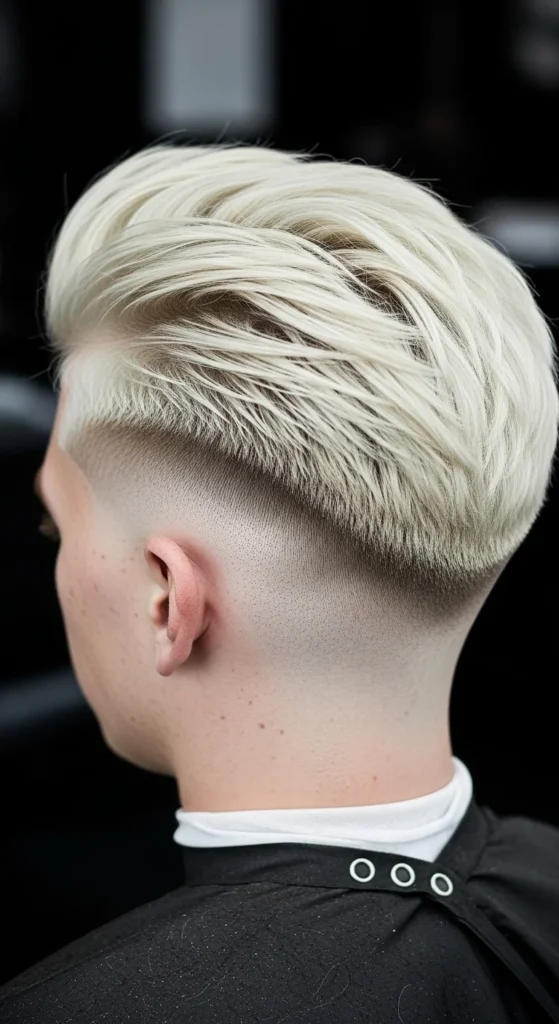
Bleach just the longer top while keeping the sides natural or dark. The color contrast amplifies the length contrast, creating a two-dimensional effect that’s impossible to ignore.
39. Undercut Bowl Cut
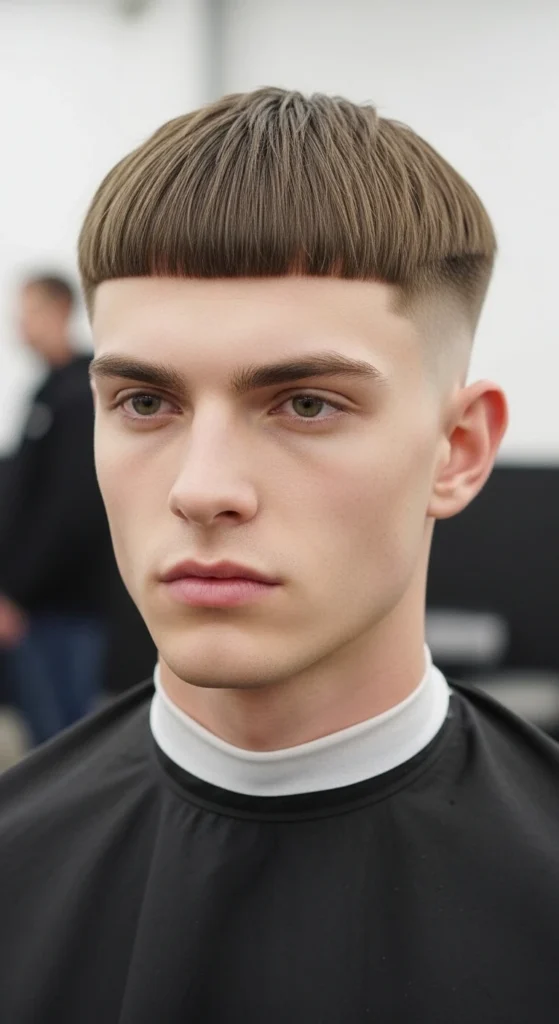
A modern, edgy take on the 90s mushroom cut. The fringe is cut straight and blunt across the forehead, while the undercut underneath adds structure and prevents the “helmet head” effect.
40. Grown Out Undercut
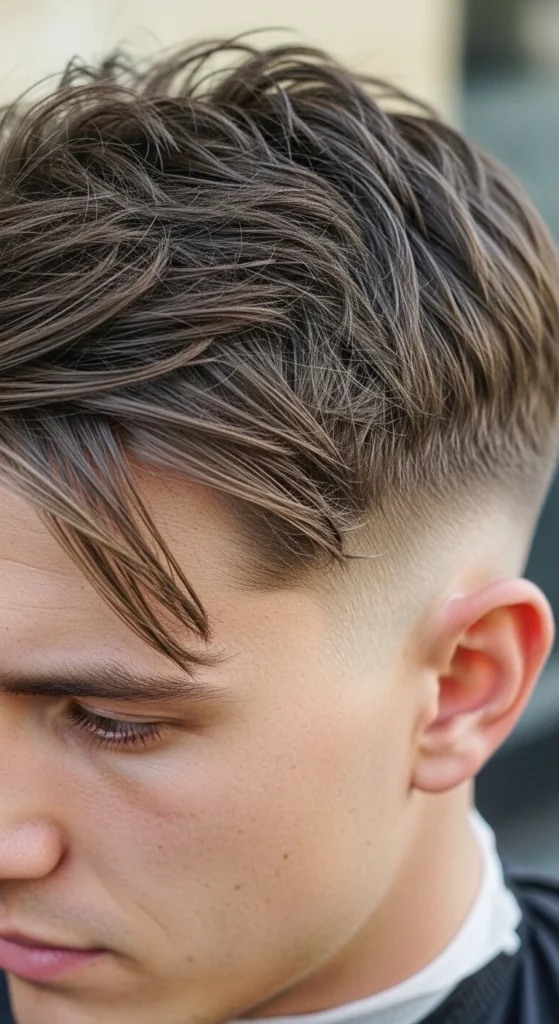
Sometimes the best style is the one you fall into. When the harsh weight line softens and the sides grow in slightly, you get a more relaxed, lived-in version of the cut. Style with texture products to embrace the controlled messiness.
41. Undercut Edgar Cut
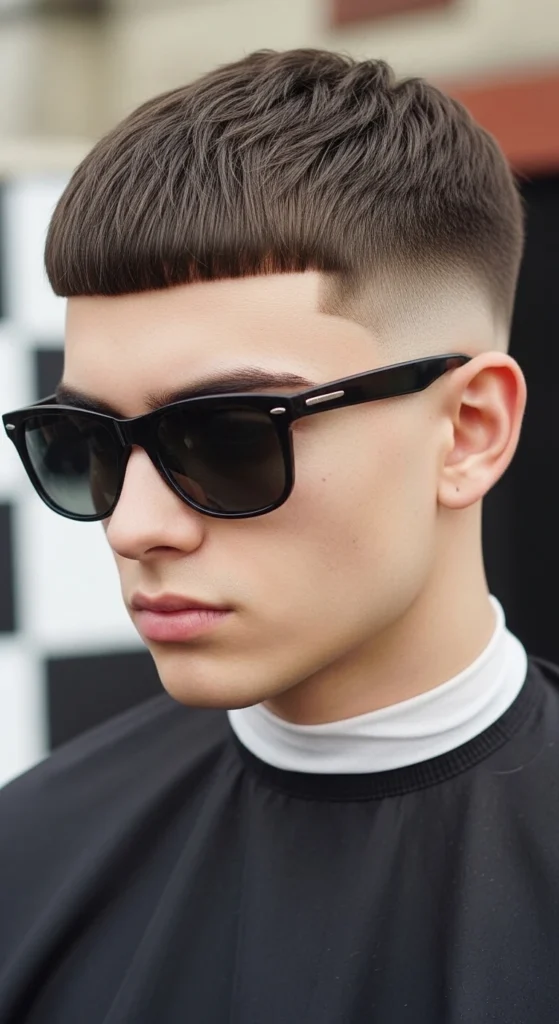
The Gen Z favorite features a blunt, straight-across fringe paired with a high fade. It’s bold, distinctive, and has become a cultural phenomenon among younger guys. The key is the precise line of the fringe—it should sit exactly at the forehead.
Face Shapes & Hair Types: Finding Your Perfect Match
Here’s the truth: not every undercut works for every guy. Your face shape and hair type should determine which variation you choose. This section alone will save you from a haircut you regret.
Matching Undercut to Your Face Shape
Round Face
Goal: Add height and angles to offset width.
If your face is roughly equal in width and length with softer curves, you want to create the illusion of length. Go for styles that add height on top—pompadours, quiffs, and faux hawks are your best friends. Keep the sides tight to remove width. Avoid: Blunt fringes (like the French crop) that cut your face horizontally and make it appear shorter.
Square Face
Goal: Show off that strong jawline.
With a broad forehead and defined jaw, you’ve got the face shape most guys want. Almost any undercut works for you, but the classic slick back and textured crop are especially flattering. The sharp lines of an undercut complement your angular features rather than fighting them .
Oval Face
Goal: Most versatile—you can pull off almost anything.
Consider yourself lucky. An oval face has balanced proportions that work with virtually every undercut variation. The side part and comb over are particularly suited to this face shape, but feel free to experiment.
Oblong/Long Face
Goal: Add width, reduce perceived length.
If your face is noticeably longer than it is wide, avoid adding more height on top. Instead, choose styles with fringe that falls forward (textured fringe, French crop, curly undercut). This creates a horizontal line that visually shortens the face. Avoid: Pompadours and high-volume quiffs that make your face look even longer.
Heart/Diamond Face
Goal: Balance a narrower chin or wider forehead.
For heart-shaped faces (wider forehead, narrower chin), add volume around the jaw area—consider pairing your undercut with a beard. For diamond faces (narrow forehead and chin, wide cheekbones), side-swept styles and messy textured tops add width where you need it.
Matching Undercut to Hair Texture & Density
Thick Hair
You’re the ideal candidate for an undercut. Thick hair can overwhelm your face when left long on the sides—an undercut removes that bulk while keeping the top full and manageable. Best products: Strong hold clay or paste to control density .
Fine/Thin Hair
Be strategic. A disconnected undercut with extreme weight difference can expose scalp and look sparse. Instead, choose a tapered undercut with a softer transition, and use texture powder at the roots to create grip and the illusion of fullness. Best products: Volumizing mousse, texture powder, sea salt spray .
Curly/Coily Hair
An undercut is a game-changer for curly hair. By removing bulk from the sides, your natural texture on top becomes the focal point. Use curl-defining cream on damp hair and diffuse or air-dry. Best products: Curl cream, leave-in conditioner, light hold stylers .
Straight Hair
Straight hair holds combed shapes beautifully. You’re perfect for slick backs, side parts, and structured styles. Use a blow-dryer with a brush to train hair into position. Best products: Pomade for shine, clay for matte texture.
Wavy Hair
Embrace that natural S-pattern. Keep enough length on top (at least 3 inches) to let waves show. The textured crop and messy fringe are ideal. Best products: Sea salt spray for texture, light cream for definition.
The Grooming Protocol: How to Style & Maintain Your Undercut
Getting the cut is step one. Making it look good every single day? That’s where most guys fall short. Here’s exactly how to style and maintain your undercut so it looks fresh from barbershop to barbershop.
The 3-Step Daily Styling Routine
Step 1: Prep on Damp Hair
Never style bone-dry hair. Start with towel-dried hair that’s damp but not dripping. Apply a pre-styler—sea salt spray for texture and grip, or volumizing mousse if you need lift . Work it through from roots to ends. This foundational layer makes everything else work better and last longer.
Step 2: Shape with Heat
Blow-drying isn’t optional if you want your style to hold. Use a round brush if you’re building volume (quiffs, pompadours) or a vent brush for slicking hair back. Always direct the airflow in the direction you want hair to go. For maximum lift, blow-dry against your natural growth pattern first, then redirect. Pro tip: A concentrator nozzle gives you precision control.
Step 3: Finish with the Right Product
The product you choose determines everything about your final look:
- Matte Clay: Strong hold, zero shine. Best for textured, messy styles .
- Pomade: Medium to firm hold with shine. Best for slick backs and side parts .
- Styling Cream: Light hold, natural finish. Best for curly hair and loose, flowing styles .
- Texture Powder: Instant volume and grip. Best for fine hair and textured fringes .
Always start with a pea-sized amount. Warm it between your palms until it’s evenly distributed, then work from roots to tips. You can always add more—you can’t take it away.
Product Arsenal: Your Complete Guide
| Product | Finish | Hold | Best For |
| Matte Clay | No shine | Strong | Messy crops, quiffs, textured styles |
| Pomade | Low to high shine | Medium to firm | Slick backs, side parts, classic looks |
| Styling Cream | Natural | Light | Curls, waves, loose styles |
| Texture Powder | Matte | Light/Volumizing | Fine hair, fringes, root lift |
| Sea Salt Spray | Natural | Light/Texturizing | Pre-styling, beachy texture |
Water-based vs. oil-based pomade: Water-based washes out easily with shampoo. Oil-based offers stronger hold and higher shine but requires more effort to remove. For daily wear, stick with water-based .
Maintenance: The 2-3 Week Rule
Here’s the reality check: undercuts require commitment. Because the contrast between long and short is what defines the style, even a little growth blurs that sharp line.
Barber Frequency: Book trims every 2-3 weeks to maintain clean edges and sharp contrast . Waiting longer means your cut loses its definition and starts looking like a grown-out mess rather than an intentional style.
At-Home Maintenance Between Visits:
- Use a hand mirror to check the back and sides
- Keep the neckline clean with a trimmer if needed
- Style hair while damp for better control
- Apply dry shampoo between washes to preserve texture
- Deep condition weekly if you use heat styling daily
The Grow-Out Phase (What Everyone Ignores): Around week 3-4, your sides will get fluffy and the weight line will soften. Instead of fighting it, work with it. Use texture clay to push side hair forward and down, blending it into the top. This “grown out undercut” can look intentionally relaxed if you style it right.
How to Ask Your Barber for an Undercut (The Exact Script)
Walking into a barbershop and mumbling “uh, shorter on the sides?” is how you end up disappointed. Here’s exactly what to say to get the undercut you actually want.
The Script (Customize the Bracketed Parts):
*”I’m looking for an undercut with [a disconnected weight line / a faded blend]. Take the sides down to a [#1 / #2 / skin] with a [low / mid / high] fade. Leave about [2-3 / 3-4 / 4+] inches on top—I want to be able to [slick it back / texture it up / wear it forward]. Keep the weight line [hard and defined / soft and blended].”*
What Each Part Means:
- Guard numbers: #1 is 1/8 inch (very short), #2 is 1/4 inch, #3 is 3/8 inch, #4 is 1/2 inch
- Disconnected: Sharp line between top and sides
- Blended/Faded: Smooth transition between lengths
- Weight line: The line where long top meets short sides
Non-Negotiable: Bring a photo. Words are subjective. A picture from this guide shows exactly what you want. Find a photo of someone with similar hair texture for the most accurate result.
During the Cut:
- Check in after the sides are done—once hair is gone, it’s gone
- Ask questions if you’re unsure what they’re doing
- A good barber wants you to be happy with the result
Frequently Asked Questions
Are undercuts still in style for 2026?
Absolutely. The undercut has evolved from an edgy statement cut to a foundational men’s style. Current trends emphasize texture and natural movement on top rather than extreme disconnection. Variations like the textured fringe, curly undercut, and two-block keep the style fresh and relevant .
How fast does an undercut grow out?
Hair grows roughly half an inch per month. Because the undercut relies on contrast between lengths, even a quarter-inch of growth softens the definition. This is why barbers recommend maintenance trims every 2-3 weeks to keep the look sharp .
What’s the best product for a messy textured undercut?
Matte clay or texture paste. These products add grip and separation without shine, creating that piece-y, “I didn’t try” look. Apply to damp or dry hair, work through with fingers, and avoid over-combing—you want separation, not uniformity .
Is an undercut good for a receding hairline?
Choose carefully. A slicked-back style exposes the hairline and can emphasize recession. A textured fringe or French crop keeps hair forward, covering the temples and creating a more youthful frame. Talk to your barber honestly about your hairline—they can recommend the most flattering variation.
What’s the difference between a disconnected undercut and a faded undercut?
A disconnected undercut has a sharp, unblended line where the long top meets the short sides—no transition whatsoever. A faded undercut gradually blends the sides from short to long, creating a smooth gradient. The disconnected version is bolder; the faded version is more modern and polished .
Does an undercut work with curly hair?
Yes—and it’s one of the best cuts for showcasing curls. By removing bulk from the sides, your natural texture on top becomes the focal point. The contrast makes curls look intentional and styled rather than unruly .
How do I style an undercut when it’s growing out?
Embrace the controlled messiness. Use texture clay to push side hair forward, blending it into the longer top. A side part can also disguise the softening weight line. This “grown out” phase actually looks intentional if styled with the right products and attitude.
What face shape is best for an undercut?
Oval and square faces are the most versatile and can pull off almost any undercut variation. Round faces benefit from added height (quiffs, pompadours). Longer faces should avoid extreme height and instead add width with fringe. The key is choosing the right variation for your features, not forcing a style that doesn’t fit .